
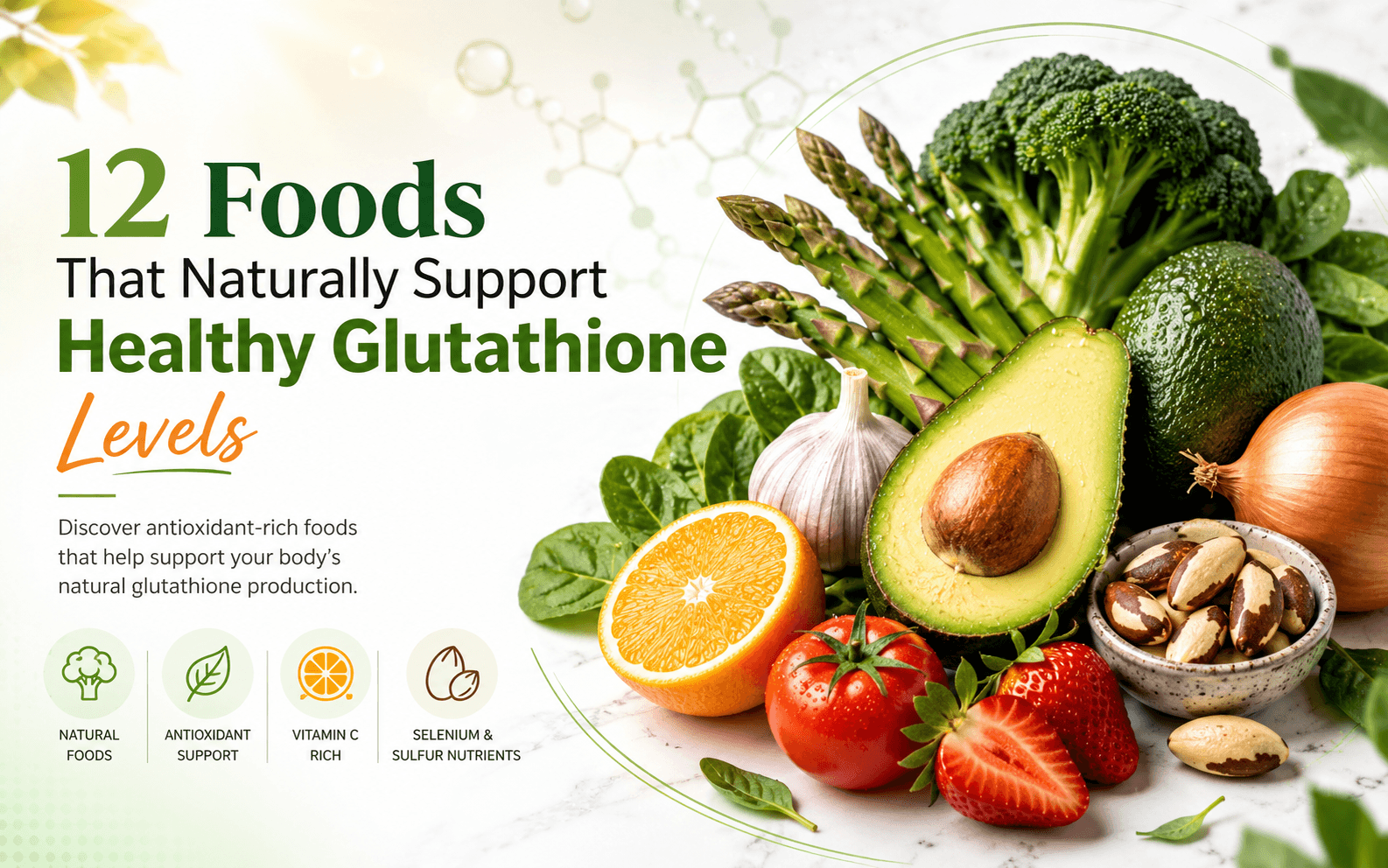
If you're looking for foods that naturally support healthy glutathione levels, include asparagus, avocados, broccoli, spinach, garlic, onions, eggs, Brazil nuts, oranges, and strawberries in your diet. Some of these foods naturally contain glutathione, while others provide nutrients such as vitamin C, selenium, and sulfur-containing amino acids that help your body produce and recycle glutathione naturally.
Although no single food can dramatically increase glutathione on its own, a balanced diet rich in vegetables, fruits, lean proteins, nuts, and seeds provides the building blocks your body needs to maintain its natural antioxidant systems. Pairing healthy eating with regular exercise, quality sleep, hydration, and stress management can further support overall wellness.
Introduction
Glutathione is often referred to as the master antioxidant because it plays a vital role in protecting cells from oxidative stress and supporting many normal biological functions. Unlike antioxidants that come only from food, glutathione is naturally produced by your body and is found in nearly every cell. It helps maintain the body's natural antioxidant defenses by neutralizing free radicals generated through normal metabolism and everyday environmental exposure.
As we age, our natural glutathione production may gradually decline. Lifestyle factors such as smoking, excessive alcohol consumption, poor dietary habits, chronic stress, lack of sleep, and exposure to pollution can also influence the body's antioxidant balance. For this reason, many people are interested in learning how diet and lifestyle may help support healthy glutathione levels.
Although there is no single food that can instantly increase glutathione, many whole foods either contain glutathione naturally or provide important nutrients that support the body's own production. Nutrients such as cysteine, selenium, sulfur-containing compounds, and vitamin C all play important roles in maintaining healthy antioxidant function.
In this comprehensive guide, you'll discover the 12 best foods that naturally support healthy glutathione levels, understand how glutathione works in the body, learn practical nutrition tips, and find simple ways to incorporate these foods into your daily routine. Whether your goal is supporting healthy skin, maintaining overall wellness, or improving the quality of your diet, this guide will help you make informed food choices.
What Foods Are High in Glutathione?
Foods associated with glutathione include asparagus, avocado, spinach, broccoli, garlic, onions and other nutrient-rich foods. Some foods contain glutathione directly, while others provide sulfur compounds, amino acids and nutrients involved in the body's natural glutathione production. A varied diet containing vegetables, fruits, protein-rich foods and selenium-rich foods can help support the body's normal antioxidant systems.
What Is Glutathione?
Glutathione is a naturally occurring antioxidant produced by the body from three amino acids:
● Glutamine
● Cysteine
● Glycine
These amino acids combine primarily in the liver to form glutathione, although it is present in nearly every cell. Unlike many vitamins that must be obtained directly from food, glutathione is continuously produced, used, and recycled by the body.
Its primary role is to help maintain the body's natural antioxidant defense system. Every day, our cells are exposed to free radicals generated through normal metabolism, physical activity, UV radiation, air pollution, and other environmental factors. Glutathione helps neutralize these unstable molecules and supports normal cellular function.
Glutathione also works alongside other antioxidants such as vitamins C and E, helping regenerate them after they have been used. This makes it an important part of the body's overall antioxidant network.
Healthy glutathione levels contribute to several normal physiological functions, including:
Supporting the body's natural antioxidant defenses
Helping protect cells from oxidative stress
Supporting normal immune function
Supporting healthy liver function
Helping regenerate vitamins C and E
Supporting normal cellular repair and maintenance
Natural glutathione production changes throughout life. A balanced diet, regular physical activity, adequate sleep, and healthy lifestyle habits all contribute to maintaining the body's natural antioxidant systems.
Why Is Glutathione Important?
Every day, your body is exposed to oxidative stress from normal metabolism as well as external factors such as pollution, ultraviolet (UV) radiation, smoking, and poor lifestyle habits. Antioxidants help maintain the balance between free radicals and the body's natural defense systems.
Glutathione is one of the body's most important antioxidants because it participates in many normal biological processes.
Supports Healthy-Looking Skin:
Skin is constantly exposed to environmental stressors such as sunlight and pollution. Antioxidants help protect skin cells from oxidative stress, making healthy nutrition an important part of overall skin care.
Supports Normal Immune Function:
The immune system naturally relies on antioxidants during its normal activities. Healthy glutathione levels contribute to normal immune function and overall wellness as part of a balanced lifestyle.
Supports Healthy Liver Function:
The liver is the primary site of glutathione production. A nutritious diet rich in vegetables, fruits, lean proteins, and whole grains helps support normal liver function and overall health.
Supports Healthy Aging:
Healthy antioxidant defenses are one component of healthy aging. Together with exercise, quality sleep, stress management, and good nutrition, antioxidants help support normal cellular function over time.
Supports Cellular Health:
Glutathione helps maintain the balance between free radicals and antioxidants throughout the body, supporting healthy cells and normal biological processes.
Signs of Low Glutathione
Glutathione levels naturally vary from person to person, and many factors can influence the body's antioxidant status. There is no single symptom that confirms low glutathione, but certain lifestyle factors and general health concerns may be associated with increased oxidative stress.
These may include:
Diets low in fruits and vegetables
Smoking or tobacco use:
Excessive alcohol consumption
Chronic stress
Poor sleep quality
Limited physical activity
Exposure to environmental pollutants
Natural aging
Some people experiencing increased oxidative stress may also report feeling fatigued or taking longer to recover after physical activity. However, these symptoms can have many different causes and are not specific to glutathione levels.
If you have ongoing health concerns or persistent symptoms, consult a qualified healthcare professional for appropriate evaluation rather than self-diagnosing based on online information.
How Diet Supports Healthy Glutathione Levels
Many people search for a single "superfood" that increases glutathione, but the science suggests that overall dietary patterns matter more than any one ingredient.
Some foods naturally contain glutathione, while others provide nutrients the body uses to produce and recycle it. These nutrients include:
Vitamin C, which helps maintain the body's antioxidant network.
Selenium, a mineral involved in antioxidant enzyme activity.
Sulfur-containing amino acids, such as cysteine, which are essential building blocks for glutathione.
Plant antioxidants, which work alongside the body's natural defense systems.
Folate and other B vitamins, which support normal cellular metabolism.
The best dietary approach is to eat a variety of colorful fruits, vegetables, whole grains, legumes, nuts, seeds, and lean protein sources rather than relying on a single food or supplement.
Consistently following a balanced eating pattern, staying physically active, getting enough sleep, managing stress, and staying hydrated all contribute to maintaining healthy antioxidant function and overall wellness.
1. Avocado: One of the Best Foods That Naturally Support Healthy Glutathione Levels 🥑
Quick Answer
Avocados are among the best foods that naturally support healthy glutathione levels because they naturally contain glutathione and provide nutrients such as vitamin E, healthy fats, potassium, and dietary fiber. Including avocados in a balanced diet can contribute to your body's natural antioxidant defenses and overall wellness.
Why Avocados Are Good for Glutathione
Avocados are often recognized as one of the few fruits that naturally contain glutathione. In addition to naturally occurring glutathione, they provide a combination of nutrients that help support overall health, including heart-friendly monounsaturated fats, vitamin E, folate, potassium, and fiber.
Healthy fats found in avocados also help your body absorb fat-soluble vitamins, making them an excellent addition to meals that include colorful vegetables. Although no single food can dramatically increase glutathione levels on its own, regularly eating nutrient-rich foods like avocados can support your body's natural antioxidant systems as part of a healthy lifestyle.
Nutritional Highlights:
Naturally occurring glutathione
Healthy monounsaturated fats
Vitamin E
Potassium
Folate
Dietary fiber
Potential Benefits:
Supports the body's natural antioxidant defenses
Contributes to healthy-looking skin through balanced nutrition
Supports heart health as part of a healthy diet:
Provides long-lasting energy and satiety
Helps increase overall nutrient intake
Best Ways to Enjoy Avocados:
Whole-grain avocado toast
Fresh salads
Smoothies
Homemade guacamole
Sandwiches and wraps
Grain bowls
Expert Tip
Choose ripe avocados with dark green skin that yield slightly when gently pressed. Eating avocados alongside leafy greens or tomatoes may also help improve the absorption of certain fat-soluble nutrients.
For those considering supplementation alongside a balanced diet, DrPro Glow provides glutathione in an effervescent format with Vitamin C and Hyaluronic Acid.
2. Asparagus: A Natural Source of Glutathione
Quick Answer
Asparagus is one of the best vegetables to include in a glutathione-supporting diet because it naturally contains glutathione and provides fiber, folate, vitamin K, and other beneficial plant compounds.
Why Asparagus Supports Healthy Glutathione Levels
Asparagus has long been recognized as one of the richest vegetable sources of naturally occurring glutathione. It also contains important nutrients that support overall health, including folate, vitamin K, dietary fiber, and antioxidants.
Its combination of vitamins, minerals, and plant compounds makes asparagus a nutrient-dense food that fits well into a balanced eating pattern. Since glutathione is naturally produced by the body, consuming a variety of nutrient-rich vegetables like asparagus helps provide important dietary support for overall antioxidant function.
Nutritional Highlights:
Naturally occurring glutathione
Folate
Vitamin K
Fiber
Plant antioxidants
Potential Benefits:
Supports healthy antioxidant function
Contributes to digestive health through dietary fiber
Supports normal cellular function:
Helps maintain a nutrient-rich diet
Low in calories and versatile
Best Ways to Enjoy Asparagus:
Lightly steamed
Oven roasted
Grilled
Stir-fried
Added to salads or pasta
Expert Tip
Avoid overcooking asparagus. Light steaming or roasting helps preserve many of its nutrients while maintaining its texture and flavor.
👉 Learn Best Time to Take Glutathione Tablets if you're exploring how diet and supplementation can work together.
3. Spinach: A Nutrient-Dense Leafy Green Rich in Antioxidants
Quick Answer
Spinach is packed with vitamins A, C, E, folate, magnesium, and iron. Although it is better known for its overall nutrient density than its glutathione content, spinach provides nutrients that support your body's natural antioxidant systems.
Why Spinach Is an Excellent Choice
Spinach is considered one of the healthiest leafy green vegetables because it supplies a broad range of vitamins and minerals while being naturally low in calories. Vitamin C found in spinach helps support the body's antioxidant network, while folate and magnesium contribute to normal cellular function.
Regularly including spinach in meals is an easy way to increase vegetable intake and support a balanced diet rich in plant-based antioxidants.
Nutritional Highlights
Vitamin A
Vitamin C
Vitamin E
Iron
Magnesium
Folate
Plant antioxidants
Potential Benefits:
Supports healthy antioxidant defenses
Contributes to healthy-looking skin
Supports bone health through vitamin K:
Provides important vitamins and minerals
Easy to include in everyday meals
Best Ways to Enjoy Spinach:
Fresh salads
Green smoothies
Vegetable omelets
Soups
Lightly sautéed as a side dish
Expert Tip
Fresh spinach can be added to smoothies without significantly changing the flavor while increasing your intake of vitamins and minerals.
👉 Explore Vitamin C vs Glutathione: Which Is Better for Skin? to understand how these nutrients work together.
4. Broccoli: A Cruciferous Vegetable That Supports Natural Glutathione Production
Quick Answer
Broccoli is one of the best foods for supporting healthy glutathione levels because it contains sulfur-containing compounds along with vitamin C, vitamin K, fiber, and other antioxidants that contribute to the body's natural glutathione production.
Why Broccoli Is Important
Broccoli belongs to the cruciferous vegetable family, which also includes cabbage, Brussels sprouts, and cauliflower. These vegetables provide sulfur-containing compounds that the body uses during normal glutathione synthesis.
In addition to sulfur compounds, broccoli is rich in vitamin C, a nutrient that helps maintain the body's antioxidant network. Together, these nutrients make broccoli one of the most valuable vegetables to include in a balanced diet focused on supporting overall wellness.
Nutritional Highlights:
Vitamin C
Vitamin K
Fiber
Sulfur-containing compounds
Folate
Plant antioxidants
Potential Benefits:
Supports the body's natural glutathione production
Rich source of vitamin C
Supports digestive health through fiber:
Provides antioxidant nutrients
Contributes to a balanced, nutrient-rich diet
Best Ways to Enjoy Broccoli:
Lightly steamed
Roasted with olive oil
Stir-fried
Added to soups
Mixed into grain bowls or pasta dishes
Expert Tip
Steaming broccoli for a few minutes instead of boiling it for long periods may help preserve more of its nutrients and maintain its crisp texture.
5. Brussels Sprouts: A Sulfur-Rich Vegetable That Supports Healthy Glutathione Levels
Quick Answer
Brussels sprouts are among the best foods that naturally support healthy glutathione levels because they contain sulfur-containing compounds, vitamin C, vitamin K, fiber, and powerful plant antioxidants. Adding Brussels sprouts to your diet can help provide nutrients involved in your body's natural antioxidant system.
Why Brussels Sprouts Support Healthy Glutathione Levels
Brussels sprouts belong to the cruciferous vegetable family, which also includes broccoli, cabbage, cauliflower, and kale. These vegetables are naturally rich in sulfur-containing compounds that provide important building blocks used in the body's normal glutathione production.
In addition to sulfur compounds, Brussels sprouts supply vitamin C, dietary fiber, folate, and vitamin K. These nutrients contribute to overall wellness by supporting normal immune function, digestive health, and antioxidant activity.
Including Brussels sprouts in your weekly meal plan is an excellent way to diversify your vegetable intake while supporting healthy eating habits.
Nutritional Highlights:
Vitamin C
Vitamin K
Dietary Fiber
Folate
Sulfur-containing compounds
Plant antioxidants
Potential Benefits:
Supports the body's natural antioxidant defenses
Contributes to healthy digestion through fiber
Rich in vitamins and minerals
Supports normal cellular function:
Helps maintain a nutrient-rich diet
Best Ways to Enjoy Brussels Sprouts:
Oven roasted with olive oil
Air fried
Lightly steamed
Stir-fried with garlic
Added to salads
Expert Tip
Roasting Brussels sprouts until lightly golden enhances their natural sweetness while preserving much of their nutritional value. Avoid overcooking, which may reduce some heat-sensitive nutrients.
👉 Read our Complete Guide to Glutathione Benefits to learn how nutrition and lifestyle work together to support antioxidant health.
6. Garlic: A Sulfur-Rich Food That Supports Natural Glutathione Production
Quick Answer
Garlic is one of the most valuable natural glutathione-supporting foods because it contains sulfur-containing compounds that provide the amino acid building blocks needed for the body's normal glutathione synthesis.
Why Garlic Supports Glutathione
Garlic has been used in traditional diets around the world for centuries and is valued not only for its distinctive flavor but also for its rich nutritional profile. One of its most important characteristics is its sulfur-containing compounds, including allicin, which are produced when garlic is chopped or crushed.
Sulfur plays an essential role in the body's natural production of glutathione because cysteine—the key amino acid used to produce glutathione—is sulfur-based. While garlic itself is not a significant source of glutathione, it provides nutrients that help support the body's own antioxidant systems.
Garlic also contains selenium, manganese, vitamin B6, and other plant compounds that contribute to a balanced diet.
Nutritional Highlights:
Sulfur-containing compounds
Selenium
Vitamin B6
Manganese
Plant antioxidants
Potential Benefits:
Supports natural glutathione production
Rich in sulfur-containing nutrients
Supports normal immune function:
Adds flavor without extra calories
Complements a healthy diet
Best Ways to Enjoy Garlic:
Freshly crushed in salads
Lightly sautéed with vegetables
Added to soups
Mixed into pasta dishes
Homemade marinades
Expert Tip
Allow chopped garlic to rest for approximately 10 minutes before cooking. This helps naturally develop allicin before heat exposure.
👉 Learn more in Best Time to Take Glutathione Tablets to understand how dietary choices and supplements may complement one another.
7. Onions: A Flavorful Vegetable Rich in Sulfur Compounds
Quick Answer
Onions are among the best foods that help support healthy glutathione levels because they contain sulfur-containing compounds and antioxidant flavonoids that contribute to the body's natural antioxidant defenses.
Why Onions Are Beneficial
Like garlic, onions belong to the allium vegetable family and naturally contain sulfur compounds. These compounds contribute to the body's normal glutathione production by providing sulfur-containing nutrients that are involved in glutathione synthesis.
Onions are also rich in quercetin, a naturally occurring flavonoid with antioxidant properties. Combined with vitamin C and dietary fiber, onions become a simple yet nutritious addition to everyday meals.
Whether eaten raw or cooked, onions fit easily into almost any healthy eating pattern.
Nutritional Highlights:
Sulfur-containing compounds
Quercetin
Vitamin C
Fiber
Folate
Potential Benefits:
Supports healthy antioxidant defenses
Rich in beneficial plant compounds
Supports normal cardiovascular health:
Easy to include in daily meals
Adds flavor naturally
Best Ways to Enjoy Onions:
Fresh salads
Sandwiches
Vegetable soups
Stir-fries
Curries
Grilled vegetables
Expert Tip
Both red and white onions provide beneficial nutrients. Red onions generally contain higher amounts of anthocyanins, while all varieties contribute valuable plant compounds to the diet.
👉 Read Vitamin C vs Glutathione: Which Is Better for Skin? to understand how antioxidants work together.
8. Tomatoes: A Vitamin C and Lycopene-Rich Food for Antioxidant Support
Quick Answer
Tomatoes are an excellent addition to a glutathione-supporting diet because they provide vitamin C, lycopene, potassium, and other antioxidants that help maintain the body's natural antioxidant network.
Why Tomatoes Support Healthy Glutathione Levels
Tomatoes are well known for their high lycopene content, a naturally occurring antioxidant responsible for their bright red color. They also provide vitamin C, which helps recycle glutathione and supports the body's overall antioxidant system.
Although tomatoes are not among the highest natural sources of glutathione, their combination of antioxidants makes them an important part of a balanced eating pattern that supports overall wellness.
Tomatoes are also extremely versatile and can be enjoyed fresh or cooked.
Nutritional Highlights:
Vitamin C
Lycopene
Potassium
Folate
Vitamin A
Potential Benefits:
Supports the body's antioxidant defenses
Rich source of vitamin C
Contributes to healthy-looking skin
Helps increase vegetable intake
Easy to include in many recipes
Best Ways to Enjoy Tomatoes:
Fresh salads
Homemade salsa
Tomato soup
Pasta sauce
Sandwiches
Roasted vegetables
Expert Tip
Cooking tomatoes with a small amount of olive oil can improve the absorption of lycopene, while fresh tomatoes remain an excellent source of vitamin C.
👉 Explore our Glutathione Tablets Side Effects: Benefits, Risks & Safe Usage guide to make informed decisions about supplementation.
9. Oranges: A Vitamin C-Rich Fruit That Supports the Body's Antioxidant Network 🍊
Quick Answer
Oranges are one of the best vitamin C-rich foods to include in a glutathione-supporting diet. Although oranges do not naturally contain high levels of glutathione, they provide vitamin C, which helps maintain the body's antioxidant network and supports the recycling of glutathione.
Why Oranges Support Healthy Glutathione Levels
Vitamin C is one of the most important nutrients involved in antioxidant function. After glutathione helps neutralize free radicals, vitamin C helps regenerate and maintain this natural antioxidant system.
Oranges are also naturally rich in dietary fiber, folate, potassium, and beneficial plant compounds called flavonoids. Together, these nutrients support overall health and make oranges an excellent everyday fruit.
Including oranges as part of a balanced diet can contribute to healthy nutrition while supporting your body's natural antioxidant defenses.
Nutritional Highlights:
Vitamin C
Potassium
Folate
Dietary Fiber
Citrus Flavonoids
Potential Benefits:
Supports antioxidant defenses
Rich source of vitamin C
Supports normal immune function:
Helps maintain healthy-looking skin through balanced nutrition
Naturally hydrating
Best Ways to Enjoy Oranges:
Fresh whole oranges
Fruit salads
Smoothies
Freshly squeezed juice (without added sugar)
Healthy afternoon snacks
Expert Tip
Choose whole oranges instead of juice whenever possible. Whole fruit provides more dietary fiber, helping you feel full for longer while delivering the same valuable nutrients.
👉 Read our Vitamin C vs Glutathione: Which Is Better for Skin? guide to learn how these nutrients work together.
10. Strawberries: A Delicious Antioxidant-Rich Superfruit 🍓
Quick Answer
Strawberries are rich in vitamin C, manganese, fiber, and polyphenols. These nutrients support the body's natural antioxidant defenses and make strawberries an excellent addition to a glutathione-supporting diet.
Why Strawberries Are Good for Overall Wellness
Strawberries are one of the highest natural sources of vitamin C among commonly consumed fruits. Vitamin C helps maintain the body's antioxidant network and complements foods that naturally contain glutathione.
They also contain anthocyanins and polyphenols, naturally occurring plant compounds responsible for their bright red color and antioxidant properties.
Because strawberries are naturally sweet and nutrient-dense, they make an easy substitute for processed desserts and sugary snacks.
Nutritional Highlights:
Vitamin C
Manganese
Fiber
Polyphenols
Anthocyanins
Potential Benefits:
Supports antioxidant function
Helps maintain healthy skin
Rich in dietary fiber
Naturally low in calories
Easy to include in daily meals
Best Ways to Enjoy Strawberries:
Fresh fruit bowls
Smoothies
Greek yogurt
Overnight oats
Salads
Expert Tip
Pair strawberries with nuts or yogurt to create a balanced snack that combines fiber, healthy fats, and protein.
👉 Explore Best Time to Take Glutathione Tablets to learn how healthy eating habits and supplementation can complement each other.
11. Walnuts: A Nutrient-Dense Source of Healthy Fats 🌰
Quick Answer
Walnuts are packed with omega-3 fatty acids, vitamin E, magnesium, and antioxidant plant compounds. While they are not a direct source of glutathione, they provide nutrients that support overall antioxidant health.
Why Walnuts Are Important
Walnuts are one of the most nutrient-dense tree nuts. Their combination of healthy fats, vitamin E, magnesium, copper, and polyphenols contributes to overall wellness and makes them an excellent addition to a balanced diet.
Healthy fats also help your body absorb fat-soluble vitamins from vegetables, improving the nutritional quality of meals.
Nutritional Highlights:
Omega-3 fatty acids
Vitamin E
Magnesium
Copper
Polyphenols
Potential Benefits:
Supports heart health
Rich in healthy fats
Supports overall nutrition:
Convenient healthy snack
Helps improve meal satisfaction
Best Ways to Enjoy Walnuts:
Mixed into oatmeal
Smoothies
Salads
Homemade trail mix
Yogurt parfaits
Expert Tip
Choose unsalted, unflavored walnuts whenever possible to avoid unnecessary sodium and added ingredients.
👉 Read Glutathione Benefits for Skin to understand how healthy nutrition supports your skincare routine.
12. Brazil Nuts: One of the Best Natural Sources of Selenium 🌰
Quick Answer
Brazil nuts are among the richest natural sources of selenium, an essential mineral involved in antioxidant enzyme function. Selenium helps support enzymes that work alongside glutathione as part of the body's natural antioxidant defense system.
Why Brazil Nuts Support Antioxidant Health
Selenium is a trace mineral required in small amounts but plays an important role in several antioxidant enzymes, including glutathione peroxidase. This enzyme works together with glutathione to help protect cells from oxidative stress.
Because Brazil nuts contain very high amounts of selenium, they are one of the most nutrient-dense foods you can include in your diet.
Nutritional Highlights:
Selenium
Healthy fats
Magnesium
Protein
Phosphorus
Potential Benefits:
Supports antioxidant enzyme function
Excellent selenium source
Rich in healthy fats
Nutrient-dense snack
Supports overall wellness
Best Ways to Enjoy Brazil Nuts:
Eat 1–2 nuts as a snack
Chop into oatmeal
Blend into smoothies
Add to homemade trail mix
Expert Tip
Brazil nuts are naturally high in selenium. For most adults, 1–2 Brazil nuts per day are generally sufficient to provide a substantial amount of this mineral. Avoid eating large quantities regularly, as excessive selenium intake is not recommended.
👉 Check out our Glutathione Tablets Side Effects & Safety Guide to learn more about responsible supplement use.
📊 Comparison Table: Glutathione Foods at a Glance
The table below compares the best foods that naturally increase glutathione levels or provide nutrients that help support your body's natural glutathione production. While some foods naturally contain glutathione, others supply vitamin C, selenium, sulfur-containing amino acids, and antioxidants that contribute to healthy antioxidant function.
.png)
Quick Tip: Eating a variety of these foods throughout the week provides a broader range of nutrients than relying on just one or two "superfoods
Note: Not all foods listed above contain high amounts of glutathione directly. Some provide nutrients such as cysteine, selenium, vitamin C, and sulfur-containing compounds that support the body's natural glutathione production and antioxidant defense systems.
🚫 Foods and Habits That May Affect Healthy Glutathione Levels
There is no single food that directly "depletes" glutathione, but some dietary patterns and lifestyle habits may make it harder for your body to maintain healthy antioxidant balance over time.
1. Highly Processed Foods
Highly processed foods are often high in refined carbohydrates, unhealthy fats, and sodium while being low in vitamins, minerals, and fiber. Replacing whole foods with processed foods may reduce your intake of nutrients involved in normal glutathione production.
Examples:
Packaged snack foods
Instant noodles
Deep-fried fast foods
Processed meats
Sugary breakfast cereals
2. Excess Added Sugar
A diet consistently high in added sugars may contribute to an overall unhealthy dietary pattern. Replacing sugary drinks and desserts with fruits and whole foods helps improve overall nutritional quality.
Better Choices:
Fresh fruit
Greek yogurt
Homemade smoothies
3. Excessive Alcohol Consumption
Drinking alcohol in excess may increase oxidative stress and affect normal liver function. If you choose to drink alcohol, follow the recommended guidelines in your region and maintain a balanced diet.
4. Smoking
Smoking introduces large amounts of free radicals into the body, increasing oxidative stress. Avoiding tobacco products is one of the most effective lifestyle choices for overall health.
5. Diets Low in Fruits and Vegetables
One of the biggest nutritional mistakes is simply not eating enough colorful fruits and vegetables. These foods provide vitamins, minerals, fiber, and plant compounds that support healthy antioxidant systems.
👨🍳 Best Cooking Methods to Help Preserve Nutrients
How you prepare your food can influence the amount of certain vitamins and antioxidants it retains. Heat-sensitive nutrients such as vitamin C may decrease with prolonged cooking, while some antioxidants become more available after gentle cooking.
Steaming (Best Overall):
Steaming vegetables for a short time helps preserve many vitamins, minerals, and natural flavors while maintaining texture.
Best for:
Broccoli
Asparagus
Brussels sprouts
Spinach
Roasting:
Roasting enhances natural sweetness and flavor while keeping vegetables crisp.
Best for:
Brussels sprouts
Broccoli
Tomatoes
Garlic
Light Stir-Frying:
Quick stir-frying over medium heat can help retain nutrients while adding flavor.
Use healthy oils such as:
Olive oil
Avocado oil
Eating Raw (Where Appropriate):
Some fruits and vegetables are excellent when eaten raw.
Examples:
Avocados
Oranges
Strawberries
Tomatoes
Spinach (salads)
Avoid Overcooking:
Boiling vegetables for long periods may reduce some heat-sensitive nutrients. If boiling is necessary, use minimal water and avoid prolonged cooking times.
Expert Tip:
A combination of raw, lightly cooked, steamed, and roasted vegetables provides both variety and a wide range of nutrients.
🥗 One-Day Meal Plan to Support Healthy Glutathione Levels
The following sample meal plan combines several of the foods discussed in this guide. It is intended as a general example and should be adapted to your individual dietary needs and preferences.
Breakfast:
Avocado Toast with Eggs
Whole-grain toast
Half an avocado
One boiled or poached egg
Fresh orange
Green tea or water
Why it works: Provides healthy fats, cysteine, vitamin C, fiber, and naturally occurring glutathione.
Mid-Morning Snack:
Strawberries and Walnuts
Fresh strawberries
A small handful of unsalted walnuts
Why it works: Combines vitamin C with healthy fats and plant antioxidants.
Lunch:
Grilled Chicken with Broccoli & Spinach Salad
Grilled chicken breast (or tofu for a vegetarian option)
Steamed broccoli
Fresh spinach
Tomatoes
Olive oil and lemon dressing
Why it works: Supplies protein, sulfur-containing amino acids, vitamin C, and fiber.
Evening Snack
Brazil Nuts and Watermelon
1–2 Brazil nuts
Fresh watermelon slices
Why it works: Provides selenium alongside hydrating fruit and antioxidants.
Dinner
Garlic & Asparagus Stir-Fry with Brown Rice
Asparagus
Garlic
Onions
Brown rice
Lean protein of your choice (or legumes)
Why it works: Combines sulfur-rich vegetables with fiber and protein to support a balanced diet.
Hydration Tip:
Aim to drink enough water throughout the day. Hydration supports overall health and complements a nutrient-rich eating pattern.
⚠️ Common Mistakes People Make When Trying to Increase Glutathione Naturally
Supporting healthy glutathione levels is about building consistent, healthy habits—not chasing quick fixes. Here are some common mistakes to avoid:
1. Relying on a Single "Superfood"
Many people believe eating one food, such as avocado or broccoli, will dramatically increase glutathione levels. In reality, your body benefits from a varied, nutrient-rich diet that provides vitamin C, selenium, sulfur-containing amino acids, healthy fats, and other antioxidants.
Better approach: Eat a variety of colorful fruits, vegetables, whole grains, lean proteins, nuts, and seeds throughout the week.
2. Overcooking Vegetables
Long cooking times and excessive boiling may reduce some heat-sensitive nutrients, such as vitamin C.
Better approach: Steam, roast, or lightly stir-fry vegetables whenever possible.
3. Eating Too Few Fruits and Vegetables
A diet low in plant foods may reduce your intake of vitamins, minerals, fiber, and antioxidants that support overall health.
Goal: Aim for at least 5 servings of fruits and vegetables daily.
4. Depending Only on Supplements
Dietary supplements may complement a healthy lifestyle for some individuals, but they should not replace balanced nutrition.
Whole foods provide fiber, vitamins, minerals, and thousands of beneficial plant compounds that supplements alone cannot fully replicate.
5. Ignoring Lifestyle Habits
Healthy glutathione levels are influenced by more than food.
Factors that matter include:
Quality sleep
Regular exercise
Stress management
Staying hydrated
Avoiding smoking
Limiting excessive alcohol consumption
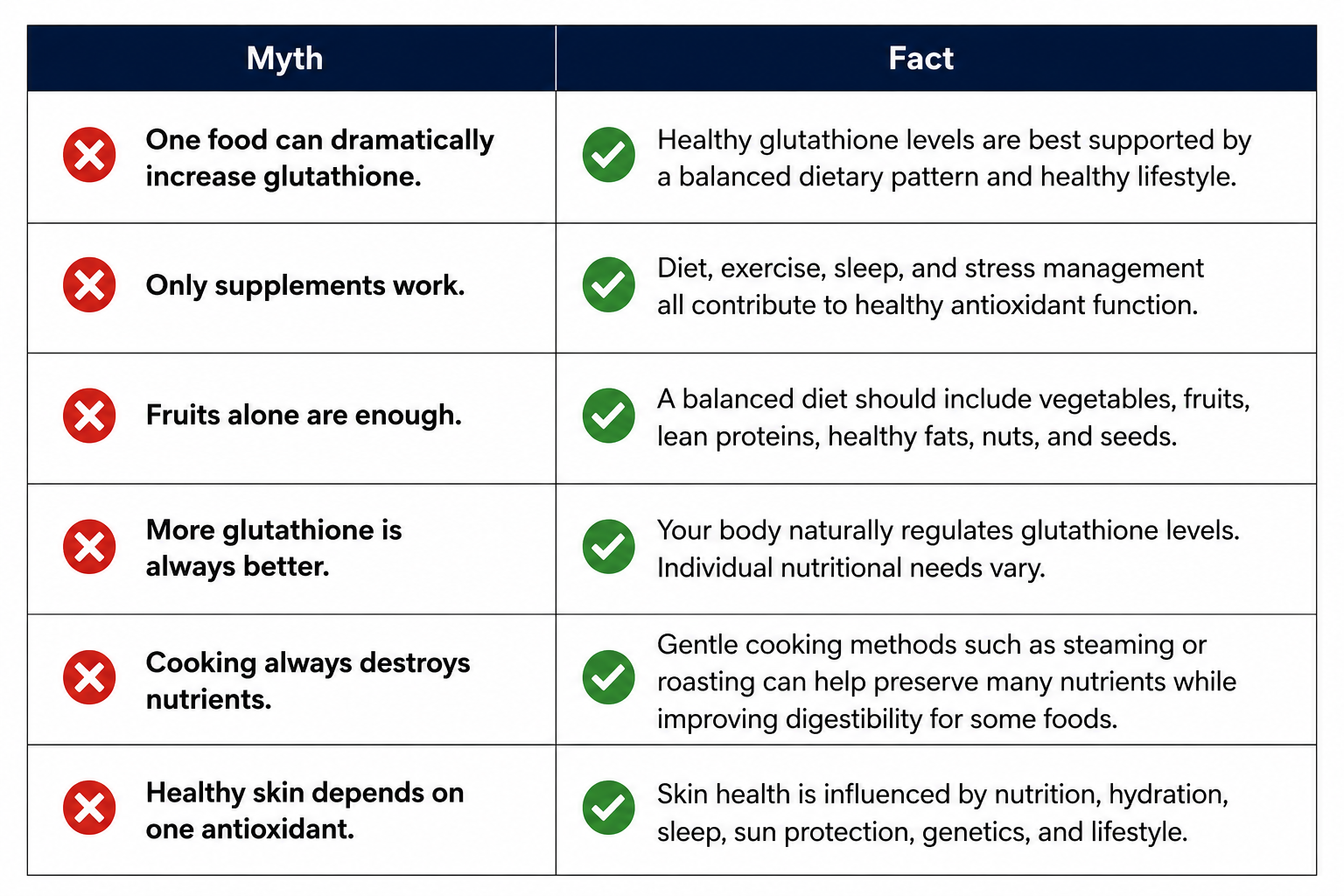
✅ Myth vs Fact
📌 Key Takeaways
Glutathione is a naturally produced antioxidant found in nearly every cell of the body.
Foods such as asparagus, avocados, broccoli, garlic, spinach, eggs, Brazil nuts, oranges, and strawberries provide glutathione or nutrients that support its natural production.
Vitamin C, selenium, and sulfur-containing amino acids play important roles in the body's antioxidant system.
A balanced diet, regular physical activity, quality sleep, hydration, and stress management all contribute to healthy antioxidant function.
Variety is more important than relying on a single "superfood."
🌿 Support Your Wellness Journey with DrPro Life
A balanced diet is the foundation of good health. If you're looking to complement your healthy lifestyle, DrPro Life Glutathione Effervescent Tablets combine glutathione with Vitamin C and Hyaluronic Acid in a convenient effervescent tablet.
Why choose DrPro Life?
Premium glutathione formula
Enriched with Vitamin C and Hyaluronic Acid
Refreshing effervescent tablets
Easy to include in your daily routine
Manufactured with quality standards
Note: Dietary supplements are intended to complement a balanced diet and healthy lifestyle. They are not a substitute for varied nutrition.
👉 Explore DrPro Life Glutathione Effervescent Tablets to learn more about the product and its ingredients.
⚕️ Medical Disclaimer
This article is provided for educational and informational purposes only. It is not intended to diagnose, treat, cure, or prevent any disease and should not be considered medical advice.
Nutritional needs vary from person to person. If you are pregnant, breastfeeding, have an underlying medical condition, or are taking prescription medications, consult a qualified healthcare professional before making significant dietary changes or starting any dietary supplement.
Conclusion
Maintaining healthy glutathione levels starts with everyday choices. A balanced diet rich in glutathione-supporting foods such as avocados, asparagus, broccoli, spinach, garlic, onions, oranges, strawberries, Brazil nuts, and eggs provides your body with the nutrients it needs to support its natural antioxidant defenses.
While no single food can dramatically increase glutathione levels, consistently eating a variety of nutrient-dense foods—along with getting enough sleep, staying physically active, managing stress, and staying hydrated—can help support your body's natural glutathione production and overall wellness.
If you're looking to complement a healthy diet, DrPro Life Glutathione Effervescent Tablets combine Glutathione, Vitamin C, and Hyaluronic Acid in a convenient daily supplement designed to fit into a balanced lifestyle. Remember, dietary supplements work best when combined with healthy eating habits and are not a substitute for a varied diet.
Start making small, sustainable changes today by adding more antioxidant-rich foods to your meals. Over time, these healthy habits can contribute to your overall health and well-being.
📚 References
National Institutes of Health (NIH) – Office of Dietary Supplements
Harvard T.H. Chan School of Public Health – Nutrition Source
Cleveland Clinic – Nutrition and Wellness Resources
Peer-reviewed studies indexed in PubMed
Academy of Nutrition and Dietetics
World Health Organization (WHO) – Healthy Diet Guidance
Food and Agriculture Organization (FAO) – Healthy Eating Resources