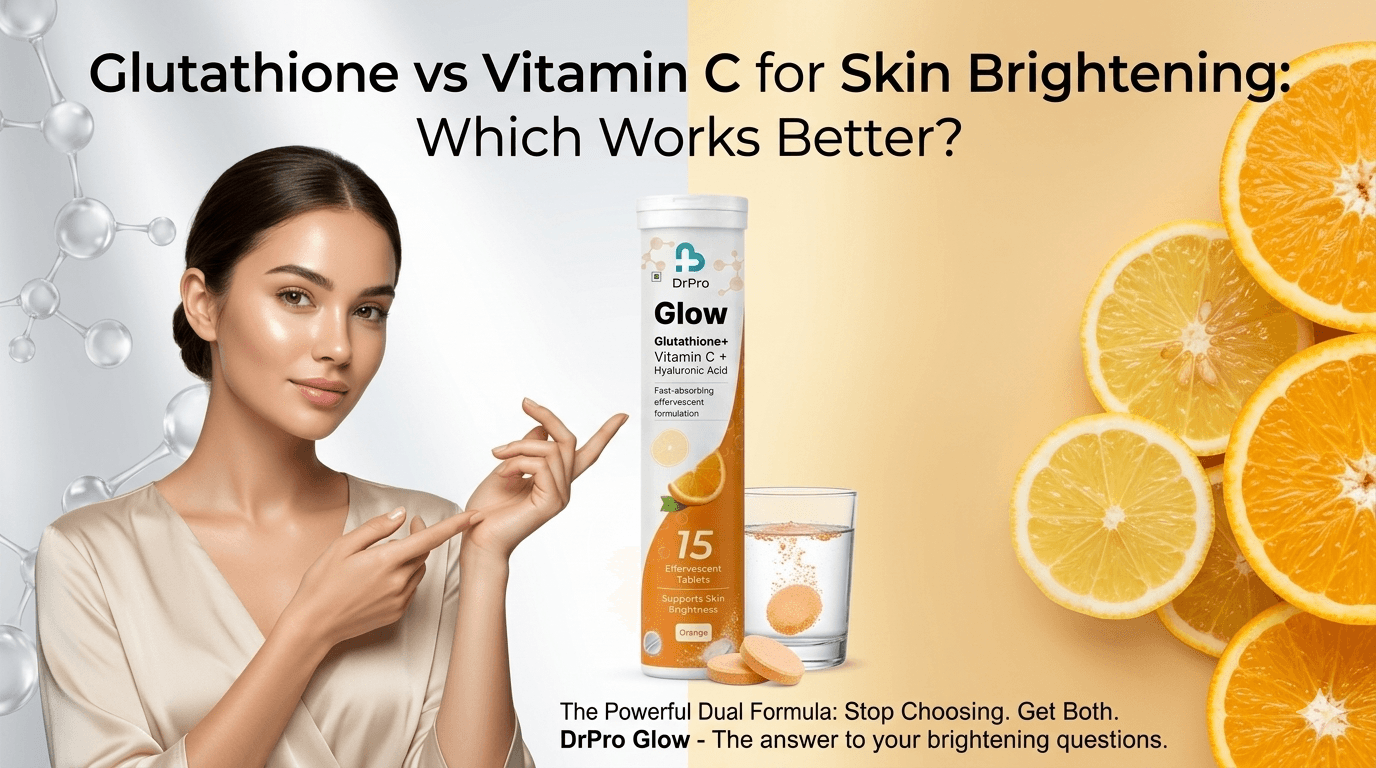
Introduction
Vitamin C and glutathione both have antioxidant roles, but they are not interchangeable. Vitamin C supports normal collagen formation and antioxidant protection, while glutathione is an antioxidant naturally produced by the body and has been studied for its potential influence on skin pigmentation. Current evidence does not establish that one is universally better than the other for skin brightening.
When it comes to achieving brighter and healthier-looking skin, two ingredients are frequently discussed: glutathione tablets with Vitamin C. Both are known for their antioxidant properties and are commonly included in skincare and wellness routines. However, many people wonder which one is more effective for improving skin tone and supporting a natural glow.
If you're trying to decide between glutathione and Vitamin C, understanding how they work can help you choose the right option for your skincare goals.
What Makes Vitamin C Popular for Skin?
Vitamin C supports normal collagen formation and antioxidant protection and is widely used in topical skincare formulations.
Some potential benefits of Vitamin C include:
Supporting collagen formation
Improving skin radiance
Helping reduce the appearance of dullness
Providing antioxidant protection
Vitamin C is commonly found in fruits, vegetables, supplements, and skincare products.
How Does Glutathione Support Skin Health?
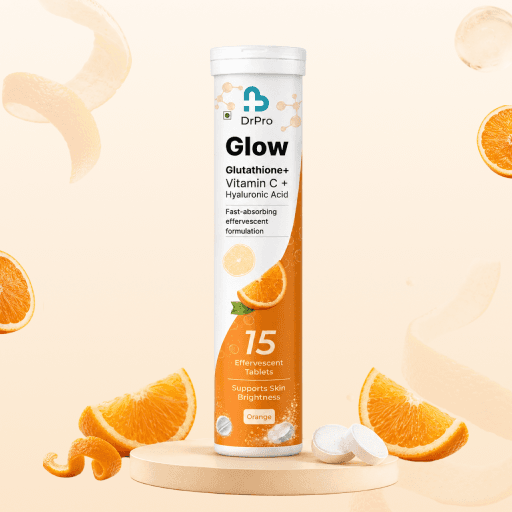
Glutathione is naturally produced in the body and is also available in oral supplement formulations. Many people research glutathione tablets benefits for skin before adding it to their daily wellness routine.
Glutathione is widely recognized for its role in:
Supporting antioxidant activity
Glutathione has been studied for its potential influence on melanin production and skin pigmentation, although results vary.
Promoting overall skin clarity
Clinical studies have used different formulations, doses and durations, and results have varied between individuals.
Glutathione vs Vitamin C: Key Differences
Glutathione
Primary Role: Internal antioxidant support
Skin Brightening: Has been studied for potential effects on skin pigmentation.
Usage: Usually taken as a dietary supplement
Additional Benefits: Glutathione participates in cellular antioxidant and metabolic processes in the body.
Vitamin C
Primary Role: Antioxidant and collagen support
Skin Brightening: Vitamin C has established roles in collagen formation and antioxidant protection and is widely used in skincare.
Usage: Available through food, supplements, and skincare products
Additional Benefits: Supports collagen production for healthier-looking skin
Quick Comparison
Glutathione: Focuses on internal antioxidant support and skin tone balance.
Vitamin C: Focuses on skin radiance, collagen production, and antioxidant protection.
Glutathione + Vitamin C Together: Often used together as they complement each other and support overall skin health.
The two compounds have different biological roles and should not be assumed to produce identical skin outcomes.
Which One Works Better for Skin Brightening?
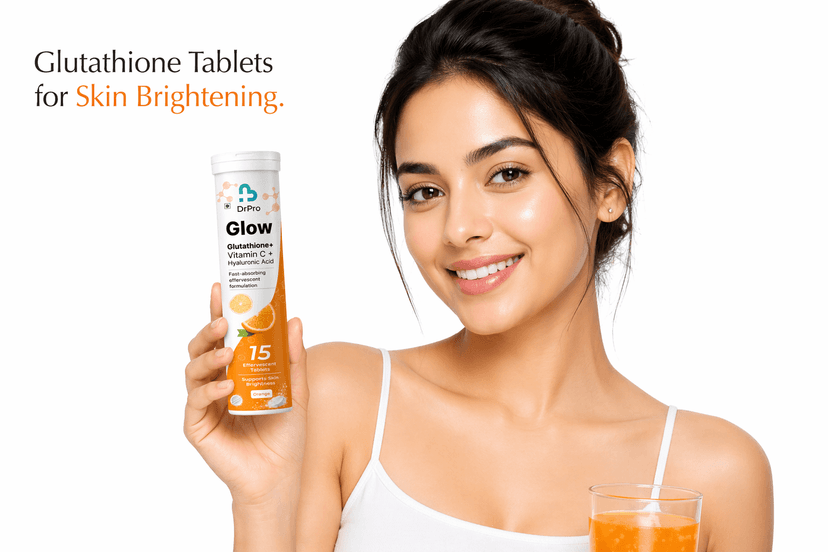
There is no single answer because individual goals vary. If you're comparing products, you can explore the best glutathione tablets for skin brightening in India to understand different formulations available.
Current evidence does not establish that oral glutathione is universally better than Vitamin C, or vice versa, for skin brightening. They have different biological roles and the available evidence depends on the formulation, route of use and outcome being studied. Vitamin C has established roles in collagen formation and antioxidant protection, while glutathione has been investigated for its potential effects on melanin production and pigmentation.
Can You Take Glutathione and Vitamin C Together?
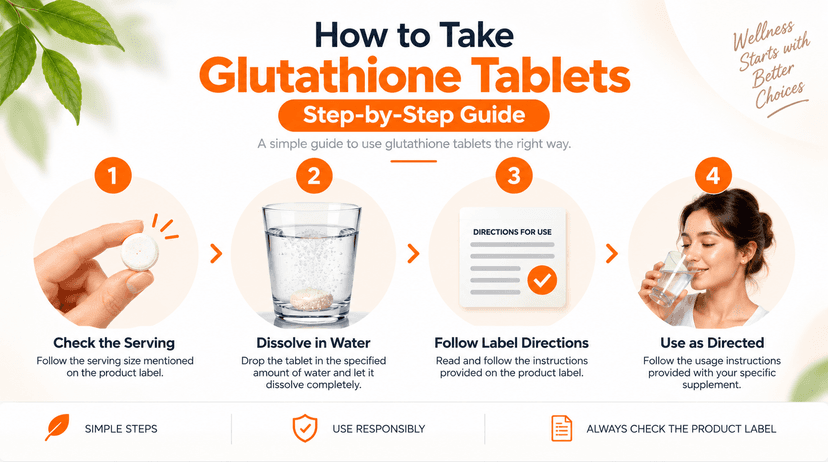
Glutathione and Vitamin C are commonly included together in dietary supplement formulations. However, combining them should not be interpreted as guaranteeing better absorption or superior skin-brightening results. Follow the directions for the specific product, and seek professional advice if you have health conditions, take medications, or have questions about supplementation.
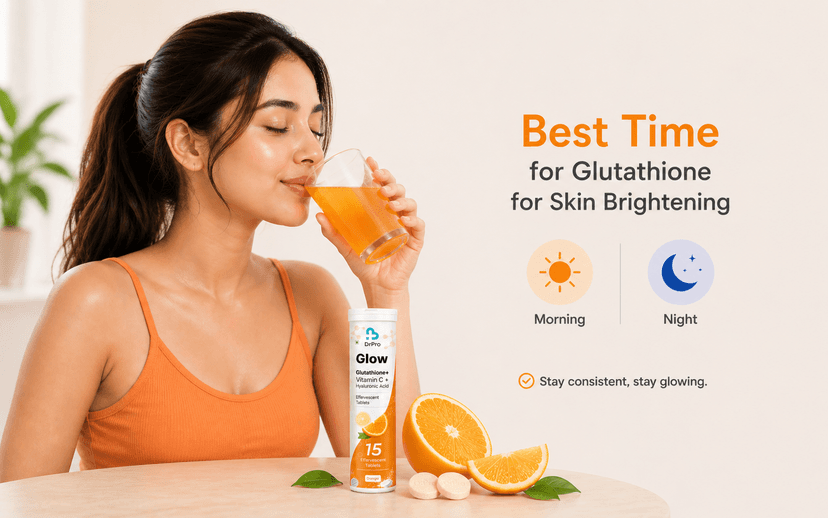
If you are using glutathione tablets for skin brightening, follow the directions provided for the specific product and do not exceed the recommended serving size.
Potential advantages of combining them include:
Complementary antioxidant support
Convenient daily routine
Combination products are available, but skin-related outcomes can vary and should not be guaranteed.
This combination has become increasingly popular among people following a beauty-from-within approach.
Who Should Choose Vitamin C?
Choosing a glutathione supplement + Vitamin C may be a good option if you:
Want additional collagen support
Prefer obtaining nutrients through diet
Are looking for antioxidant protection
Use topical skincare products regularly
When Might Someone Consider Glutathione?
Glutathione supplements may be considered by adults interested in antioxidant supplementation, but they should not be viewed as a guaranteed treatment for pigmentation or skin brightening. Product choice should take into account formulation, serving size, other ingredients, health conditions and professional advice when appropriate.
Glutathione may be suitable if you:
Want internal antioxidant support
Are focused on skin clarity and overall glow
Prefer supplement-based skincare support
Want to include skin-focused nutrients in your routine
Final Verdict
Vitamin C and glutathione have different roles rather than one being universally “better” for skin brightening. Vitamin C has established functions in collagen formation and antioxidant protection, while glutathione has been studied for its potential influence on melanin production and skin pigmentation. Evidence for oral glutathione's skin-related effects remains limited and results vary. Neither ingredient should be considered a guaranteed solution for pigmentation or skin brightening.
Conclusion: Glutathione vs Vitamin C — Which Is Better?
Glutathione and Vitamin C both play important roles in antioxidant defense, but they work differently and neither is universally better for skin brightening. Vitamin C supports normal collagen formation and antioxidant protection, while glutathione has been studied for its potential influence on melanin production and skin pigmentation.
Current evidence on oral glutathione for skin-related outcomes is still limited, and results can vary depending on the individual, formulation, dose, and duration of use. Vitamin C and glutathione are also commonly combined in supplement formulations, but using them together does not guarantee better or faster skin-brightening results.
Ultimately, the right approach depends on your individual needs and the cause of concerns such as uneven skin tone or pigmentation. For persistent or changing pigmentation, consider consulting a qualified dermatologist rather than relying on supplements alone.
Bottom line: Vitamin C has well-established roles in collagen formation and antioxidant protection, while glutathione is being studied for its potential effects on pigmentation. Neither should be considered a guaranteed solution for skin brightening.