Introduction
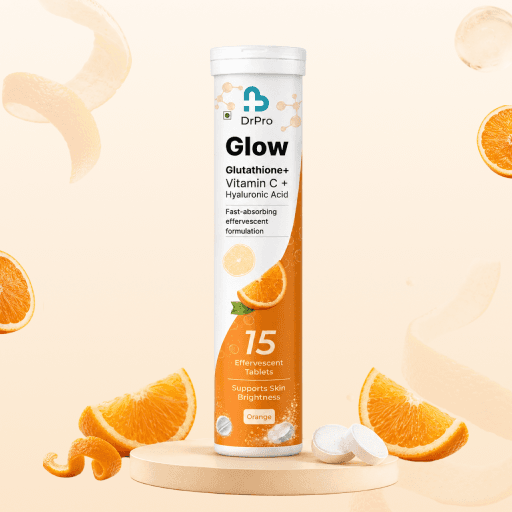
If you're wondering how to take glutathione tablets, the most important step is to follow the directions for the specific product you're using. Glutathione supplements come in different formulations, serving sizes and formats, including conventional tablets, capsules and effervescent tablets that dissolve in water.
Glutathione is an antioxidant naturally produced by the body and is also available as an oral dietary supplement. Oral glutathione has been studied for several potential effects, including its influence on skin pigmentation, although research findings vary and individual results are not guaranteed.
In this step-by-step guide, you'll learn how to use glutathione tablets correctly, what to consider when choosing a formulation, how to follow serving and timing instructions, and important precautions to keep in mind.
What Are Glutathione Tablets?
Glutathione is an antioxidant naturally produced by the body and involved in cellular antioxidant processes. It is also available as an oral dietary supplement in formats such as capsules, conventional tablets and effervescent tablets.
Oral glutathione has been studied for several potential effects, including potential effects on skin pigmentation; however, research findings vary and individual cosmetic outcomes are not guaranteed.
Some glutathione supplements also contain Vitamin C. Vitamin C contributes to normal collagen formation for normal skin function and helps protect cells from oxidative stress.
To explore the skin-related evidence in more detail, read our guide to glutathione tablets benefits for skin.
What Does Research Say About Glutathione and Skin?
Glutathione has been studied for its potential influence on melanin production and skin pigmentation. Some studies of oral glutathione have reported changes in certain skin-related outcomes, but the available evidence is limited and results are not consistent across all individuals or formulations.
Glutathione also has an established biological role as an antioxidant in the body. However, supplementation should not be presented as guaranteeing brighter skin, removal of acne marks, or treatment of pigmentation.
How to Take Glutathione Tablets: Step-by-Step
To take glutathione tablets correctly, follow the serving directions on the product label. Conventional tablets or capsules are generally swallowed according to their labeled directions, while effervescent glutathione tablets should be fully dissolved in the specified amount of water before drinking. Do not exceed the recommended serving, and seek professional advice if you have questions about whether supplementation is appropriate for you.
Step 1 – Compare Glutathione Supplement Formulations
Choose a supplement with a transparent ingredient list, clearly stated serving size and appropriate quality and manufacturing information.
Glutathione supplements are available in different formats, including capsules, conventional tablets and effervescent tablets. Effervescent tablets dissolve in water and may be convenient for people who prefer a drinkable supplement.
Keep only if 500 mg exactly matches the current product label/serving declaration.
Step 2 – Follow the Recommended Serving
There is no single glutathione dosage that is appropriate for everyone or guaranteed to produce skin-brightening results. Different studies and products use different amounts and formulations. Follow the serving instructions on the specific supplement and avoid exceeding the recommended amount. Consult a qualified healthcare professional if you are unsure whether supplementation is appropriate for you.
Step 3 – Check the Complete Formulation
Vitamin C and glutathione both participate in antioxidant systems, and many supplements combine the two ingredients.
Vitamin C also contributes to normal collagen formation and antioxidant protection. However, the presence of Vitamin C should not be assumed to guarantee greater glutathione absorption or better skin-brightening results for every formulation.
Step 4 – Follow the Product's Timing Instructions
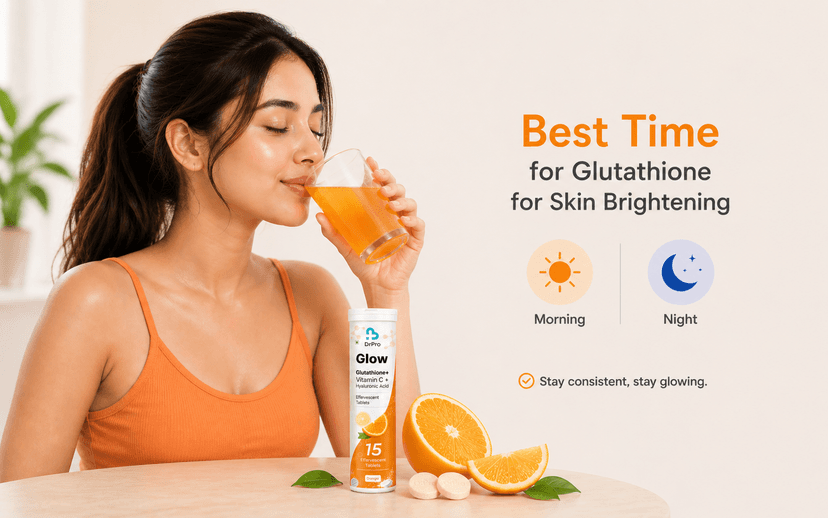
There is no universally established best time of day to take oral glutathione for skin-related outcomes. Follow the instructions provided with your specific supplement.
For a detailed discussion of timing, read our guide on best time to take glutathione tablets.
Step 5 – Use the Supplement Consistently as Directed
If you choose to use a glutathione supplement, follow its labeled directions consistently and do not exceed the recommended serving. Studies of oral glutathione have used different treatment periods, so there is no universal duration that guarantees skin-related results.
How to Take Effervescent Glutathione Tablets
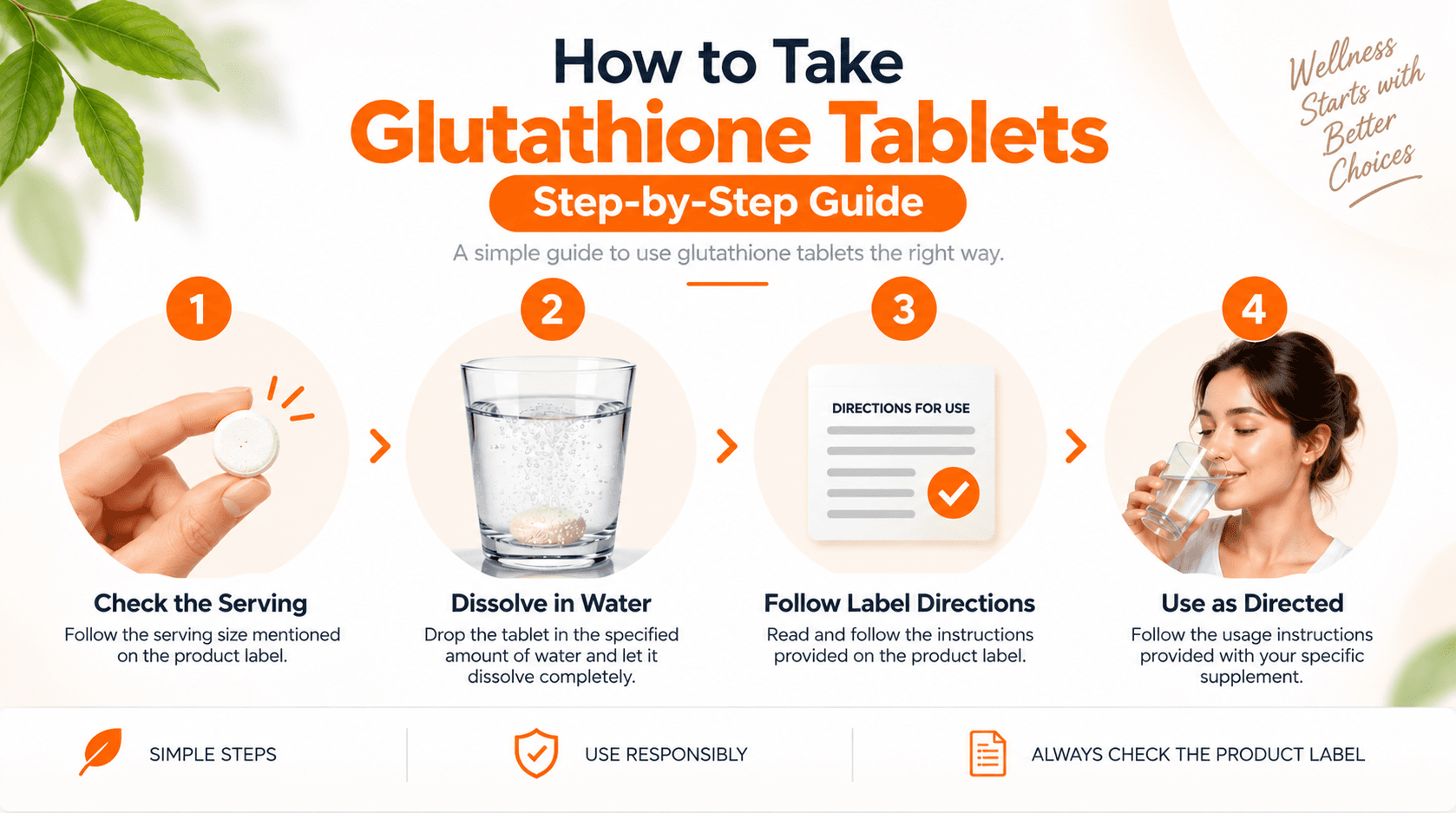
Effervescent glutathione tablets are designed to be dissolved in water rather than swallowed whole.
Step 1: Check the product label for the recommended serving and amount of water.
Step 2: Place the effervescent tablet in the specified amount of water.
Step 3: Allow the tablet to dissolve completely.
Step 4: Drink the prepared solution according to the product's directions.
Do not swallow an effervescent tablet whole unless the manufacturer specifically instructs otherwise. Because formulations can differ between products, always follow the preparation and serving instructions on the label.
How Long May Glutathione Take to Show Skin-Related Changes?
There is no guaranteed timeline for visible skin changes from oral glutathione. Clinical studies have used different formulations, amounts and durations, and individual responses vary.
For a detailed discussion, read our guide on how long glutathione tablets take to show results.
How to Take Different Types of Glutathione Supplements
The correct way to take glutathione depends partly on the supplement format. Always follow the directions provided with the specific product.
Glutathione supplements are available in different oral formats, and the method of use depends on the formulation. Always follow the directions provided with the specific product.
Conventional glutathione tablets: Take according to the serving and usage instructions on the product label, generally with water.
Glutathione capsules: Follow the serving instructions provided on the label. Directions can vary between formulations and brands.
Effervescent glutathione tablets: These are designed to be dissolved in water before consumption. See the step-by-step instructions below for how to prepare an effervescent glutathione tablet.
Because formulations and serving sizes vary, always follow the directions for the specific supplement you are using rather than assuming that instructions for one product apply to another.
Common Mistakes When Taking Glutathione Tablets
Using a supplement correctly is as important as choosing the formulation. Common mistakes to avoid include:
Ignoring the product label: Serving sizes and directions can differ between formulations and brands.
Taking more than the recommended serving: A larger amount should not be assumed to provide faster or better results.
Swallowing an effervescent tablet whole: Effervescent tablets are designed to dissolve in water before consumption.
Assuming there is one universal best time: Follow the product's timing instructions rather than assuming morning, nighttime or an empty stomach is always superior.
Expecting guaranteed skin changes: Research on oral glutathione and skin pigmentation is limited, and individual responses vary.
Using supplements as a substitute for professional care: Persistent pigmentation or other skin concerns should be evaluated by an appropriately qualified healthcare professional.
Before You Take Glutathione Tablets: Quick Checklist
Before using a glutathione supplement, check:
The amount of glutathione per serving
The recommended serving size
Whether it is a conventional or effervescent tablet
Instructions for preparation or consumption
Other active ingredients in the formulation
Warnings and storage instructions
The manufacturer's quality and labeling information
If you take medications, have an underlying health condition, are pregnant or breastfeeding, or are unsure whether a supplement is appropriate for you, seek advice from a qualified healthcare professional.
What to Consider Before Using a Glutathione Supplement
Adults researching antioxidant supplementation should review the product formulation, labeled directions, precautions and available evidence before deciding whether to use an oral glutathione supplement. People who are pregnant or breastfeeding, take medications, have underlying health conditions, or have persistent pigmentation concerns should seek appropriate professional advice before relying on supplementation.
If you're comparing formulations, see our guide to glutathione tablets for skin brightening in India.
What Is Known About the Safety of Oral Glutathione?
Oral glutathione has been generally well tolerated in some clinical studies, but side effects can occur and evidence on long-term continuous supplementation remains limited. Safety may depend on the formulation, amount used, medications and individual health conditions.
For more information, read our guide to glutathione tablet side effects and daily use.
General Skin Health Tips While Using Supplements
General habits that support skin and overall health include:
Staying adequately hydrated
Eating a balanced diet
Using appropriate sun protection
Avoiding excessive sun exposure
Including foods that support normal glutathione production
Read more about foods that support natural glutathione production.
These habits support general health but should not be presented as guaranteeing better results from a glutathione supplement.
Conclusion
Understanding how to take glutathione tablets starts with following the directions for the specific product rather than relying on universal dosage, timing or results rules. Glutathione supplements vary in formulation, serving size and format, so always check the product label and use the supplement as directed.
Oral glutathione has been studied for potential effects on skin pigmentation, but evidence remains limited and individual responses vary. When choosing a supplement, consider the complete formulation, transparent ingredient information, serving instructions and product quality.
Glutathione should not be considered a guaranteed treatment for pigmentation or skin brightening. If you have persistent skin concerns or questions about supplementation, consult an appropriately qualified healthcare professional.
Important Disclaimer
This article is provided for educational and informational purposes only and is not intended to diagnose, treat, cure or prevent any disease. Information about glutathione and skin-related effects is based on available research and should not be interpreted as a guarantee of cosmetic results. Individual responses to supplements may vary. Follow the labeled directions for the specific product. If you are pregnant or breastfeeding, take medications, have an existing medical condition, or have concerns about supplementation, consult a qualified healthcare professional.
References
1. Sarkar R, Yadav V, Yadav T, et al. Glutathione as a skin-lightening agent and in melasma: a systematic review. International Journal of Dermatology. 2025;64(6):992–1004.
PubMed – PMID 39444151
Supports: discussion of oral glutathione, pigmentation, studied doses, effectiveness limitations and safety evidence. This recent systematic review evaluated randomized trials and found evidence of reductions in melanin index, while also identifying limitations and variable study quality.
2. Weschawalit S, Thongthip S, Phutrakool P, Asawanonda P. Glutathione and its antiaging and antimelanogenic effects. Clinical, Cosmetic and Investigational Dermatology. 2017;10:147–153.
PubMed – PMID 28490897
Supports: your discussion of oral glutathione research and skin-related outcomes. This randomized placebo-controlled study evaluated oral glutathione at 250 mg/day for 12 weeks.
3. Arjinpathana N, Asawanonda P. Glutathione as an oral whitening agent: a randomized, double-blind, placebo-controlled study. Journal of Dermatological Treatment. 2012;23(2):97–102.
PubMed – PMID 20524875
Supports: statements that oral glutathione has been clinically studied for skin pigmentation. The study used 500 mg/day for four weeks but also specifically noted that long-term safety had not been established.
4. Sonthalia S, Daulatabad D, Sarkar R. The clinical effect of glutathione on skin color and other related skin conditions: A systematic review. Journal of Cosmetic Dermatology. 2018.
PubMed – PMID 30895708
Supports: your cautious language such as “evidence remains limited,” “individual results vary,” and avoiding guaranteed skin-brightening claims. The review concluded that the evidence was still inconclusive because of study quality and inconsistent findings.
5. National Institutes of Health, Office of Dietary Supplements. Vitamin C – Health Professional Fact Sheet.
NIH Office of Dietary Supplements – Vitamin C
Supports: statements about Vitamin C's established physiological roles, including collagen biosynthesis and antioxidant activity.