Introduction
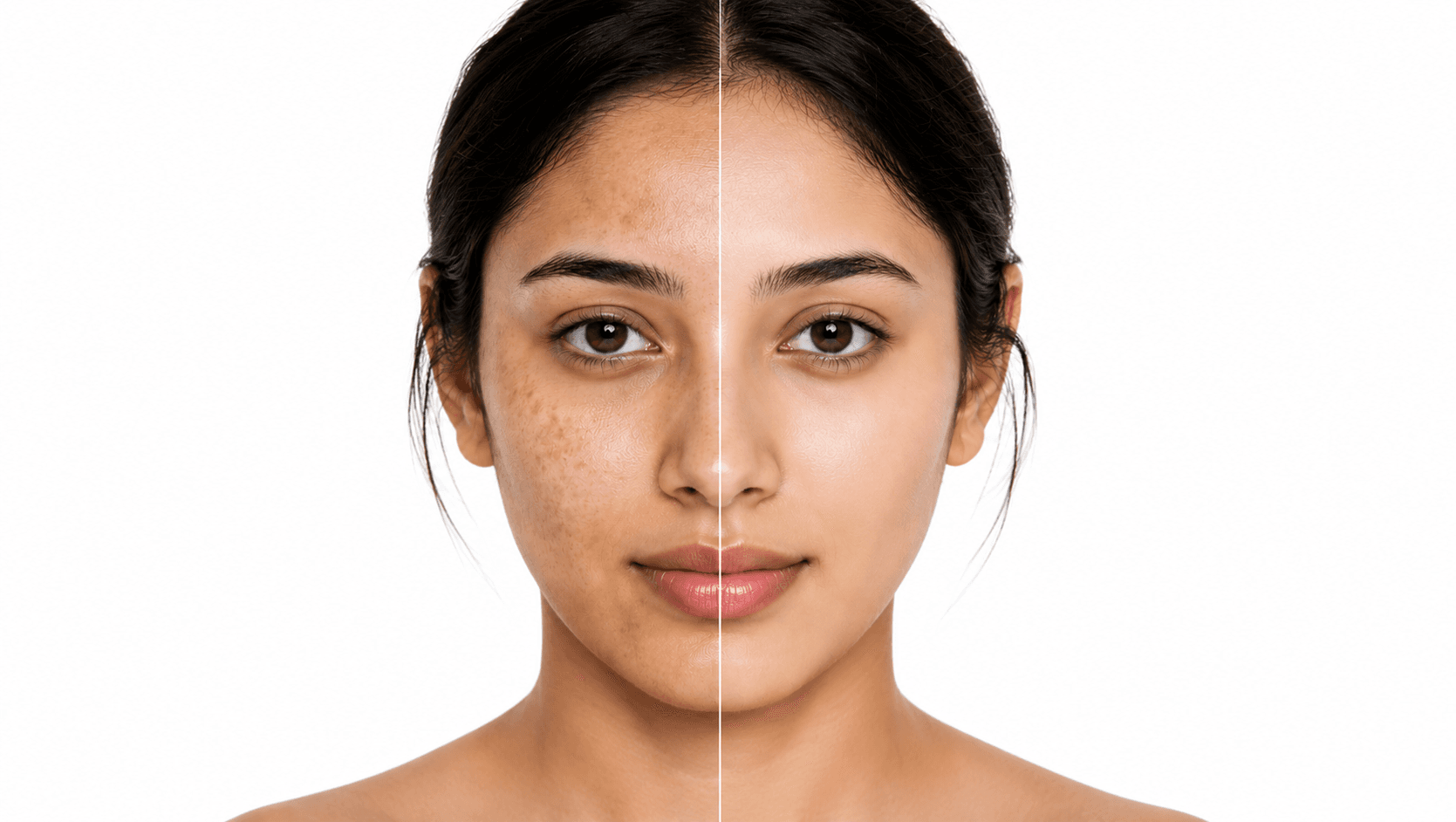
Glutathione may influence melanin production and has been studied for its potential effects on skin tone and pigmentation, but current evidence does not show that glutathione can permanently remove pigmentation. Results can vary depending on the cause of pigmentation, sun exposure, skin type and other factors. Persistent or significant pigmentation should be evaluated by a dermatologist.
Pigmentation is one of the most common skin concerns today. From acne marks and sun damage to uneven skin tone and dark patches, many people struggle to achieve clear and balanced skin.
Because of this, glutathione tablets have become increasingly popular in skincare routines. Many users now ask an important question: Can glutathione remove pigmentation permanently?
The answer is not as simple as yes or no. Glutathione has been studied for its potential effects on melanin production and skin tone, but results vary and the evidence remains limited.
In this guide, you’ll learn how glutathione works for pigmentation, what kind of results you can realistically expect, how long it may take, and how to maximize your skin-brightening journey safely.
What Causes Pigmentation?
Pigmentation occurs when the skin produces excess melanin in certain areas. Melanin is the natural pigment responsible for skin color.
Several factors can trigger pigmentation, including:
Sun exposure
Acne scars and post-inflammatory marks
Hormonal changes
Aging
Stress and environmental pollution
Skin irritation and inflammation
These triggers can lead to uneven skin tone, dark spots, and patches that often take time to fade naturally.
What is Glutathione?
Glutathione is a naturally occurring antioxidant found in the body. It helps protect cells from oxidative stress and supports overall skin health.
Glutathione has attracted interest in skin research partly because of its potential influence on pathways involved in melanin production.
Many people also explore glutathione tablets benefits for skin to understand how it supports long-term skin clarity and radiance.
How Glutathione May Help Reduce Pigmentation
Glutathione does not work like a bleaching agent or instant whitening treatment. Instead, it works gradually from within.
Here’s how it may support pigmentation reduction:
1. Supports Melanin Balance
Research suggests glutathione may influence processes involved in melanin production, although the clinical significance varies between studies.
2. Helps Reduce Oxidative Stress
Environmental damage and UV exposure can worsen pigmentation. As an antioxidant, glutathione helps the body manage oxidative stress more effectively.
3. Improves Overall Skin Clarity
Some studies have reported changes in certain skin-related outcomes, but individual responses vary and visible improvements are not guaranteed.
These changes can make pigmentation appear less noticeable over time.
Can Glutathione Remove Pigmentation Permanently?
This is one of the most searched questions online.
The realistic answer:
Glutathione should not be considered a permanent treatment for pigmentation. Evidence for oral supplementation remains limited, and pigmentation can have many different causes.
Pigmentation can return if:
Sun exposure is not controlled
Skincare routine is inconsistent
Lifestyle habits are poor
Hormonal triggers continue
That’s why glutathione works best as part of a long-term skin maintenance routine rather than a temporary quick fix.
Types of Pigmentation Glutathione May Help With
Results vary depending on the type of pigmentation.
Common concerns people use glutathione for:
Different forms of pigmentation have different causes and treatments. Evidence is insufficient to assume oral glutathione will effectively treat every type of pigmentation.
However, deeper pigmentation issues may require professional dermatological treatment in addition to supplements.
How Long Does It Take to See Results?
Glutathione works gradually, so patience and consistency are important.
There is no established timeline for pigmentation improvement with oral glutathione. Clinical studies have used different formulations, doses and study durations, and individual responses vary. The cause and severity of pigmentation, sun exposure and other skin-care factors can also affect outcomes.
If you want a detailed timeline, you can also explore glutathione tablets results after 1 month to understand realistic expectations.
What Most People Get Wrong About Glutathione
Many users expect instant or dramatic transformation within a few days. This is one of the biggest misconceptions.
Common mistakes include:
Taking inconsistent doses
Expecting overnight results
Ignoring sunscreen
Poor hydration
Using low-quality supplements
In real-world usage, consistency usually matters more than taking extremely high doses.
Supporting Healthy Skin While Managing Pigmentation:
If your goal is clearer and more balanced skin, these habits can improve your results significantly.
1. Use Sunscreen Daily
Sun exposure is one of the biggest reasons pigmentation returns.
A good sunscreen helps:
Protect progress
Prevent dark spots from worsening
Maintain skin brightness
A balanced diet can also provide Foods that support antioxidant defenses
2. Follow Product Directions
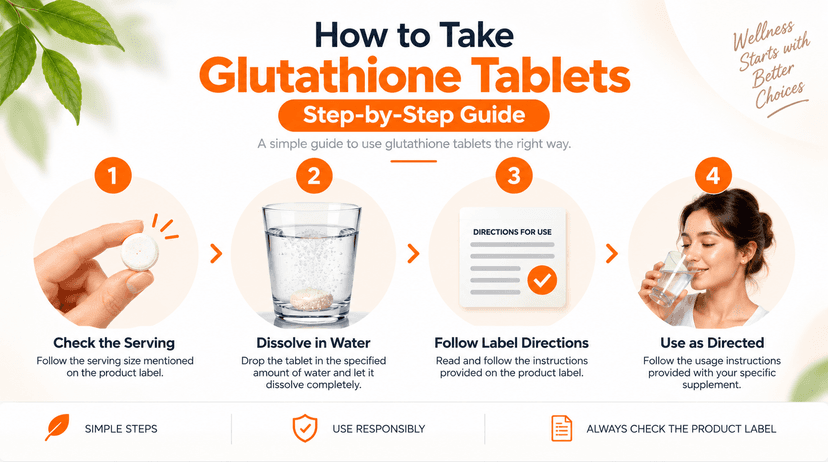
If you choose to use a supplement, follow its labeled directions and avoid exceeding the recommended serving.
3. Combine with Vitamin C
Vitamin C contributes to normal antioxidant function and is commonly included in glutathione formulations. However, claims that it improves the absorption or skin-related effectiveness of a specific glutathione supplement should be supported by appropriate evidence.
Many users prefer formulations that already include both ingredients for convenience.
4. Maintain Healthy Lifestyle Habits
Lifestyle directly affects skin quality.
Helpful habits include:
Drinking enough water
Sleeping properly
Eating balanced meals
Reducing stress levels
These factors work together with supplements to support healthier skin.
Following the correct how to use glutathione tablets for skin brightening routine may help improve consistency and long-term results.
Choosing the Right Glutathione Supplement
Not all supplements offer the same experience.
When selecting one, look for:
Added Vitamin C
Transparent ingredient list
Easy-to-consume format
Balanced formulation
Many users now prefer effervescent glutathione tablets with Vitamin C because they dissolve easily and fit well into daily routines.
You can also explore some of the best glutathione tablets for skin brightening in India to compare different options and formulations.
Is Glutathione Safe for Pigmentation Concerns?
Oral glutathione has been generally well tolerated in some clinical studies, but side effects can occur and evidence on long-term continuous supplementation is limited. Safety can also depend on the formulation, dose, medications and individual health conditions.
For detailed safety information, you can also read about glutathione tablets side effects and daily use safety before starting a routine.
Does Pigmentation Return After Stopping Glutathione?
This depends on your skincare habits and lifestyle.
If factors like:
Excess sun exposure
Stress
Poor skincare
Inconsistent protection
continue, pigmentation may gradually return over time.
This is why many people continue maintenance routines even after seeing visible improvements.
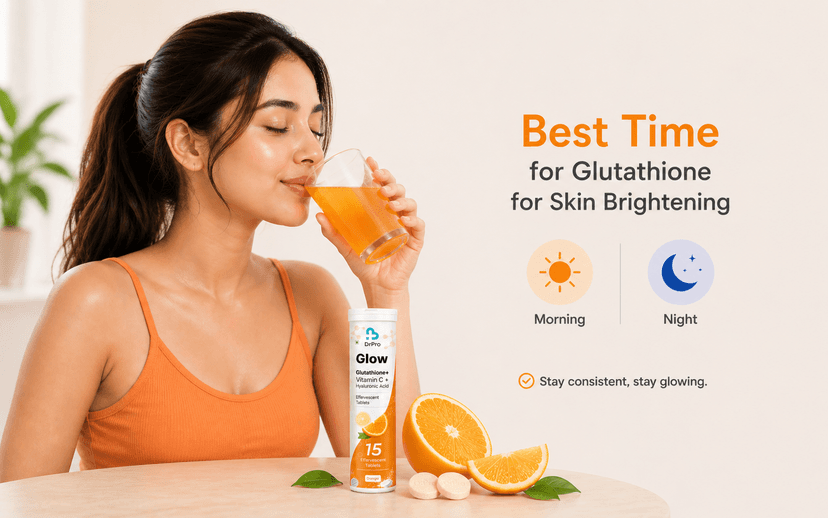
Does Timing Matter?
There is no universally established time of day that makes oral glutathione more effective for pigmentation. Follow the directions provided with the specific supplement rather than assuming that morning, nighttime or an empty stomach necessarily provides better results.
Understanding the best time to take glutathione tablets for skin brightening may help improve consistency and absorption.
Quick Summary
Can glutathione permanently remove pigmentation?
✓ Glutathione has been studied for its potential influence on skin pigmentation.
✓ Current evidence does not establish permanent pigmentation removal.
✓ Results can vary considerably between individuals.
✓ Different types of pigmentation require different approaches.
✓ Sun protection is important when managing hyperpigmentation.
✓ Persistent pigmentation should be evaluated by a dermatologist.
Final Verdict
Glutathione has been investigated for its potential effects on melanin production and skin tone, but it should not be considered a permanent treatment for pigmentation. Evidence for oral supplementation is still limited, and results vary between individuals. Because pigmentation can have many causes, persistent or worsening pigmentation is best assessed by a qualified dermatologist.
Important Disclaimer
Results may vary depending on skin type, lifestyle, consistency, and individual health conditions. This content is for informational purposes only and should not replace professional medical advice.