Introduction
Glutathione is a naturally occurring antioxidant that has gained attention for its potential role in skin pigmentation and skin appearance. Oral glutathione supplements are increasingly marketed for skin brightening, but an important question remains: do glutathione tablets actually work for skin?
Clinical studies have investigated oral glutathione for its potential effects on melanin and skin pigmentation, but the evidence is still limited and results are not consistent for everyone. The effects may vary depending on the formulation, amount used, duration of supplementation and individual factors.
In this guide, we'll examine the potential skin-related effects of glutathione studied in research, what scientific research suggests about skin brightening and pigmentation, possible side effects, and what to consider before using a glutathione supplement.
Oral glutathione has been studied for its potential effects on skin pigmentation and melanin production. Some clinical studies have reported changes in certain measures of skin pigmentation, while systematic reviews indicate that the overall evidence remains limited and inconsistent. Glutathione tablets should therefore not be considered a guaranteed treatment for skin brightening, dark spots or pigmentation.
If you're comparing different formulations, you can also read our guide to glutathione tablets for skin brightening
What is Glutathione and How Does It Work?
Glutathione is an antioxidant naturally produced by the body and is found in nearly every cell. It is composed of three amino acids—glutamate, cysteine and glycine—and plays an important role in cellular antioxidant defense and normal metabolic processes.
Glutathione has also been studied for its potential influence on pathways involved in melanin production and skin pigmentation. Melanin is the pigment that contributes to the color of the skin, hair and eyes.
Some clinical studies have investigated whether oral glutathione supplementation may influence certain measures of skin pigmentation. However, findings vary between studies, and current evidence does not establish that glutathione will reliably lighten skin, remove dark spots or treat pigmentation in every person.
For a broader overview of supplementation, read our guide on how to use glutathione tablets for skin brightening.
Potential Benefits of Glutathione Tablets for Skin
Research has investigated several potential skin-related effects of oral glutathione. Findings vary between studies, and the available evidence does not establish these effects as guaranteed outcomes of glutathione supplementation.
1. May Influence Skin Pigmentation
Glutathione has been investigated for its potential influence on melanin-related pathways. Some clinical studies have reported changes in certain measurements of skin pigmentation following oral supplementation.
2. May Support a More Even-Looking Skin Tone
Because of its potential relationship with melanin production, researchers have studied glutathione for uneven skin pigmentation. However, it should not be considered a treatment for persistent pigmentation or hyperpigmentation disorders.
3. Supports Antioxidant Defense
Glutathione is an important component of the body's antioxidant defense system and helps protect cells against oxidative stress.
4. May Have Skin-Related Antioxidant Benefits
The skin is regularly exposed to oxidative stress from factors such as UV radiation and environmental pollutants. Glutathione's antioxidant role is one reason it has attracted interest in skin-health research.
5. Skin Responses May Vary
Not everyone taking oral glutathione will experience visible cosmetic changes. Results can vary depending on the formulation, supplementation period, individual characteristics and other factors.
Does Glutathione Really Help in Skin Brightening?
The available evidence is limited and not conclusive.
Some randomized controlled trials have reported changes in certain measures of skin pigmentation among participants taking oral glutathione. However, results have not been consistent across all studies or measurement sites, and studies have used different formulations, amounts and durations.
Systematic reviews have therefore concluded that more high-quality research is needed before oral glutathione can be considered a reliably effective skin-lightening treatment.
The most accurate conclusion is that glutathione may influence skin pigmentation in some individuals, but visible skin brightening is not guaranteed.
How Long Does Glutathione Take to Show Skin Results?
There is no established timeline in which everyone taking glutathione tablets should expect visible skin changes.
Clinical studies have used different supplementation periods, formulations and amounts, making it difficult to establish a universal timeframe. Some studies have evaluated outcomes after several weeks, but this does not mean everyone will experience visible changes within the same period.
Factors such as baseline pigmentation, sun exposure, formulation, individual biology and study duration may contribute to differences in outcomes.
If you're specifically interested in the first month, read our guide to glutathione tablets results after 1 month
How to Use Glutathione Supplements Responsibly
Follow the serving directions provided for your specific glutathione product rather than increasing the amount in an attempt to achieve faster cosmetic results.
A balanced diet, appropriate sun protection, adequate hydration, regular physical activity and healthy sleep habits can support overall skin and general health, but these habits do not guarantee that glutathione supplementation will produce visible skin brightening.
If you're using a supplement, see our detailed guide on how to use glutathione tablets.
What About Vitamin C?
Vitamin C participates in the body's antioxidant network and is commonly included in glutathione formulations. However, avoid assuming that adding Vitamin C will necessarily produce faster or greater skin-brightening results.
Are There Any Side Effects?
Oral glutathione has been generally well tolerated in some clinical studies, but side effects can occur. Reported adverse effects have included gastrointestinal symptoms such as bloating, abdominal discomfort or nausea.
Long-term safety data for continuous glutathione supplementation remain limited.
People who are pregnant or breastfeeding, take medications, have an existing medical condition, or experience persistent or concerning symptoms should consult a qualified healthcare professional.
For more information, read our glutathione tablets side effects and safety guide.
Why Are Vitamin C and Hyaluronic Acid Often Combined With Glutathione?
Vitamin C is an essential nutrient involved in normal collagen formation and antioxidant function. It also participates in the body's broader antioxidant network.
Hyaluronic acid is naturally present in the body and is known for its ability to bind water. Oral hyaluronic acid has been investigated in research for potential skin-hydration-related effects; however, outcomes may vary depending on the formulation and study conditions.
These ingredients may be included together in supplement formulations for their different nutritional or skin-related roles. However, their combination should not be assumed to guarantee faster or greater skin-brightening results.
Who Might Consider Glutathione Supplements?
People researching antioxidant supplements or glutathione's potential skin-related effects should review the available evidence, product formulation, labeled serving instructions and relevant precautions before deciding whether to use a supplement.
However, glutathione supplements should not be considered a guaranteed treatment for dull skin, dark spots, acne scars, melasma or other pigmentation concerns.
Persistent, significant or changing pigmentation should be evaluated by a qualified dermatologist to determine the underlying cause.
How Long Should You Take Glutathione?
There is no universal supplementation duration that guarantees visible skin results. Clinical studies have used different amounts and treatment periods, and evidence regarding prolonged continuous supplementation remains limited.
Follow the directions provided for your specific supplement. If you're considering prolonged use, particularly if you take medications or have an existing medical condition, consider discussing supplementation with a qualified healthcare professional.
Are Effervescent Glutathione Tablets a Good Option?
Effervescent tablets dissolve in water before consumption, making them a convenient alternative for people who prefer a drinkable supplement rather than swallowing conventional tablets or capsules.
Their main practical advantages include:
Dissolve in water before consumption
Convenient drinkable format
Easy to incorporate into a daily routine
Useful for people who dislike swallowing conventional tablets
However, an effervescent format should not automatically be considered faster-absorbing or more effective than other oral formulations without evidence directly supporting that comparison.
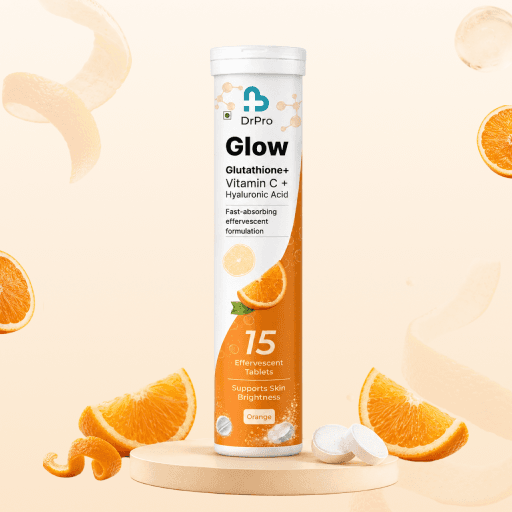
DrPro Glow Glutathione + Vitamin C + Hyaluronic Acid is available in an effervescent format for people who prefer a drinkable supplement.
Healthy Habits That Support Skin Health
Supplements should complement—not replace—healthy lifestyle and skincare habits. Consider:
Eating a balanced diet containing fruits, vegetables and adequate protein
Using appropriate sun protection
Staying adequately hydrated
Getting sufficient sleep
Avoiding smoking
Limiting excessive alcohol consumption
Following a skincare routine appropriate for your skin type
You can also learn about foods that support the body's natural glutathione production.
These habits support general and skin health but should not be expected to guarantee or accelerate glutathione-related cosmetic results.
Final Verdict: Do Glutathione Tablets Really Work for Skin?
Oral glutathione has been investigated for its potential effects on skin pigmentation, and some clinical studies have reported changes in certain pigmentation measurements. However, the available evidence remains limited and results are not consistent for everyone.
Glutathione is also an important antioxidant naturally present in the body, but this biological role does not mean supplementation will necessarily produce visible skin brightening.
Therefore, people considering glutathione supplementation should review the available evidence, product formulation, labeled directions and relevant precautions while maintaining realistic expectations about cosmetic outcomes. They should not be considered a guaranteed treatment for skin whitening, pigmentation, dark spots or other skin conditions.
When comparing products, consider the formulation, ingredient transparency, labeled serving instructions and manufacturer information rather than relying primarily on promises of rapid cosmetic results.
Conclusion
Glutathione is an antioxidant naturally produced by the body and has been studied for its potential relationship with pathways involved in melanin production and skin pigmentation.
Some clinical studies suggest that oral glutathione may influence certain measures of skin pigmentation, but the overall evidence remains limited and individual responses vary. There is no guaranteed amount or timeframe that will produce skin brightening for everyone.
If you choose to use a glutathione supplement, follow the product's labeled directions, maintain healthy nutrition and appropriate sun protection, and keep realistic expectations about cosmetic results.
Persistent or significant pigmentation concerns should be discussed with a qualified dermatologist rather than relying solely on dietary supplements.
Medical Disclaimer
This article is provided for educational and informational purposes only and is not intended to diagnose, treat, cure or prevent any disease. It should not be considered a substitute for professional medical advice.
If you are pregnant or breastfeeding, take medications, have an existing medical condition, or are considering long-term supplementation, consult a qualified healthcare professional before using dietary supplements.
References & Sources
Arjinpathana N, Asawanonda P. Glutathione as an oral whitening agent: a randomized, double-blind, placebo-controlled study. Journal of Dermatological Treatment. 2012;23(2):97–102. DOI: 10.3109/09546631003801619.
PubMed – PMID 20524875Weschawalit S, Thongthip S, Phutrakool P, Asawanonda P. Glutathione and its antiaging and antimelanogenic effects. Clinical, Cosmetic and Investigational Dermatology. 2017;10:147–153. DOI: 10.2147/CCID.S128339.
PubMed – PMID 28490897Dilokthornsakul W, Dhippayom T, Dilokthornsakul P. The clinical effect of glutathione on skin color and other related skin conditions: A systematic review. Journal of Cosmetic Dermatology. 2019;18(3):728–737. DOI: 10.1111/jocd.12910.
PubMed – PMID 30895708Sitohang IBS, Ninditya S. Systemic Glutathione as a Skin-Whitening Agent in Adult. Dermatology Research and Practice. 2020;2020:8547960. DOI: 10.1155/2020/8547960.
PubMed – PMID 32373172Sarkar R, Yadav V, Yadav T, Janaani P, Mandal I. Glutathione as a skin-lightening agent and in melasma: a systematic review. International Journal of Dermatology. 2025;64(6):992–1004. DOI: 10.1111/ijd.17535.
PubMed – PMID 39444151