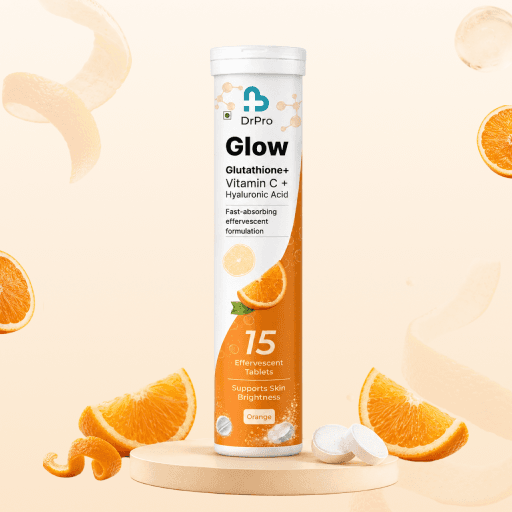
Glutathione is an antioxidant naturally produced by the body and involved in cellular antioxidant defense and other biological processes. Oral glutathione supplements are available in different formulations and doses, but there is no universal dosage or timing suitable for everyone. Side effects can occur, and people with medical conditions, taking medications, or who are pregnant or breastfeeding should seek professional advice before supplementation.
Glutathione is one of the most important antioxidants naturally produced by the body. Glutathione is an antioxidant naturally produced by the body and plays an important role in cellular antioxidant defense and several biological processes.
If you're considering glutathione supplements for skin, it's important to understand their uses, recommended dosage, potential side effects, and precautions before adding them to your routine.
What Is Glutathione?
Glutathione is a naturally occurring compound made from three amino acids: glutamate, glycine, and cysteine. It is found in nearly every cell of the human body and helps neutralize free radicals that can damage cells over time.
Glutathione levels can be influenced by factors such as age, health status, nutrition and oxidative stress. Glutathione can also be obtained through certain foods, while the body synthesizes it from the amino acids glutamate, cysteine and glycine.
Common Uses of Glutathione
1. Supports Antioxidant Defense
One of glutathione's primary functions is helping the body fight oxidative stress. Oxidative stress occurs when free radicals outnumber antioxidants, potentially leading to cellular damage.
2. Supports Skin Health
Oral glutathione has been studied for potential effects on skin pigmentation and other skin-related outcomes. However, study results vary and current evidence does not establish guaranteed skin-brightening results.
3. Supports Liver Function
Glutathione participates in antioxidant and metabolic processes in the liver. However, glutathione supplements should not be presented as a treatment for liver disease or as a general-purpose “detox” product.
4. Supports Immune Health
Glutathione is involved in cellular processes associated with normal immune function and antioxidant defense.
5. Supports Healthy Aging
Glutathione is involved in antioxidant defense, and researchers have studied relationships between glutathione status, oxidative stress and aging. However, glutathione supplementation should not be considered an anti-aging treatment.
Natural Sources of Glutathione
While the body produces glutathione naturally, certain foods may help support healthy levels.
Foods high in glutathione:
Spinach
Avocado
Broccoli
Garlic
Asparagus
Brussels sprouts
Okra
Tomatoes
Citrus fruits
Maintaining a balanced diet rich in fruits and vegetables can help support overall antioxidant intake.
Recommended Glutathione Dosage
There is no universal dosage suitable for everyone. The appropriate amount may vary depending on age, health status, and individual wellness goals.
Common supplemental dosages often range between:
250 mg per day
500 mg per day
1000 mg per day
Many people prefer taking glutathione alongside Vitamin C because Vitamin C helps support antioxidant activity within the body.
Always follow the dosage instructions provided on the product label and consult a healthcare professional if you have specific concerns.
When Should You Take Glutathione?
Glutathione supplements are commonly taken:
In the morning
Before meals
With adequate water intake
Alongside Vitamin C supplementation
Consistency is often considered more important than the exact timing of supplementation.
Potential Side Effects of Glutathione
Glutathione is generally well tolerated when used as directed. However, some individuals may experience mild side effects of glutathione, including:
Stomach discomfort
Bloating
Nausea
Digestive upset
Headache
These effects are typically temporary and may vary from person to person.
If any unusual reactions occur, discontinue use and seek professional medical advice.
Who Should Use Caution?
Although glutathione supplements are commonly used, certain individuals should exercise caution, including:
Pregnant or Breastfeeding Women
There may be limited research regarding supplementation during pregnancy and breastfeeding. Medical guidance is recommended.
Individuals Taking Medications
Those currently taking prescription medications should discuss supplementation with a healthcare provider to avoid possible interactions.
People with Existing Medical Conditions
Individuals with chronic health conditions should seek professional advice before starting any new supplement.
Important Precautions Before Taking Glutathione
To use glutathione responsibly, consider the following precautions:
Choose Reputable Products
Select supplements from trusted manufacturers that follow quality standards and provide transparent ingredient information.
Follow Recommended Dosages
More is not always better. Taking excessive amounts may increase the likelihood of unwanted side effects.
Maintain a Healthy Lifestyle
Supplements work best when combined with:
Balanced nutrition
Regular exercise
Adequate sleep
Proper hydration
Monitor Your Response
Pay attention to how your body responds after beginning supplementation and adjust only under professional guidance.
Can Glutathione Be Taken with Other Supplements?
Many people combine glutathione with nutrients such as:
Vitamin C
Hyaluronic Acid
Collagen
Multivitamins
Vitamin C is particularly popular because it supports antioxidant protection and complements glutathione's role in the body.
However, supplement combinations should always be reviewed if you have existing medical conditions or take medications regularly.
Final Thoughts
Glutathione is a powerful antioxidant that supports cellular health, antioxidant protection, immune function, and overall wellness. Whether you're interested in supporting healthy skin, maintaining antioxidant defenses, or promoting long-term health, understanding proper dosage, potential side effects, and important precautions is essential.
Before starting any supplement, choose a high-quality product, follow recommended guidelines, and consult a healthcare professional if you have specific health concerns. Combined with a healthy lifestyle, glutathione can be a valuable addition to your daily wellness routine.